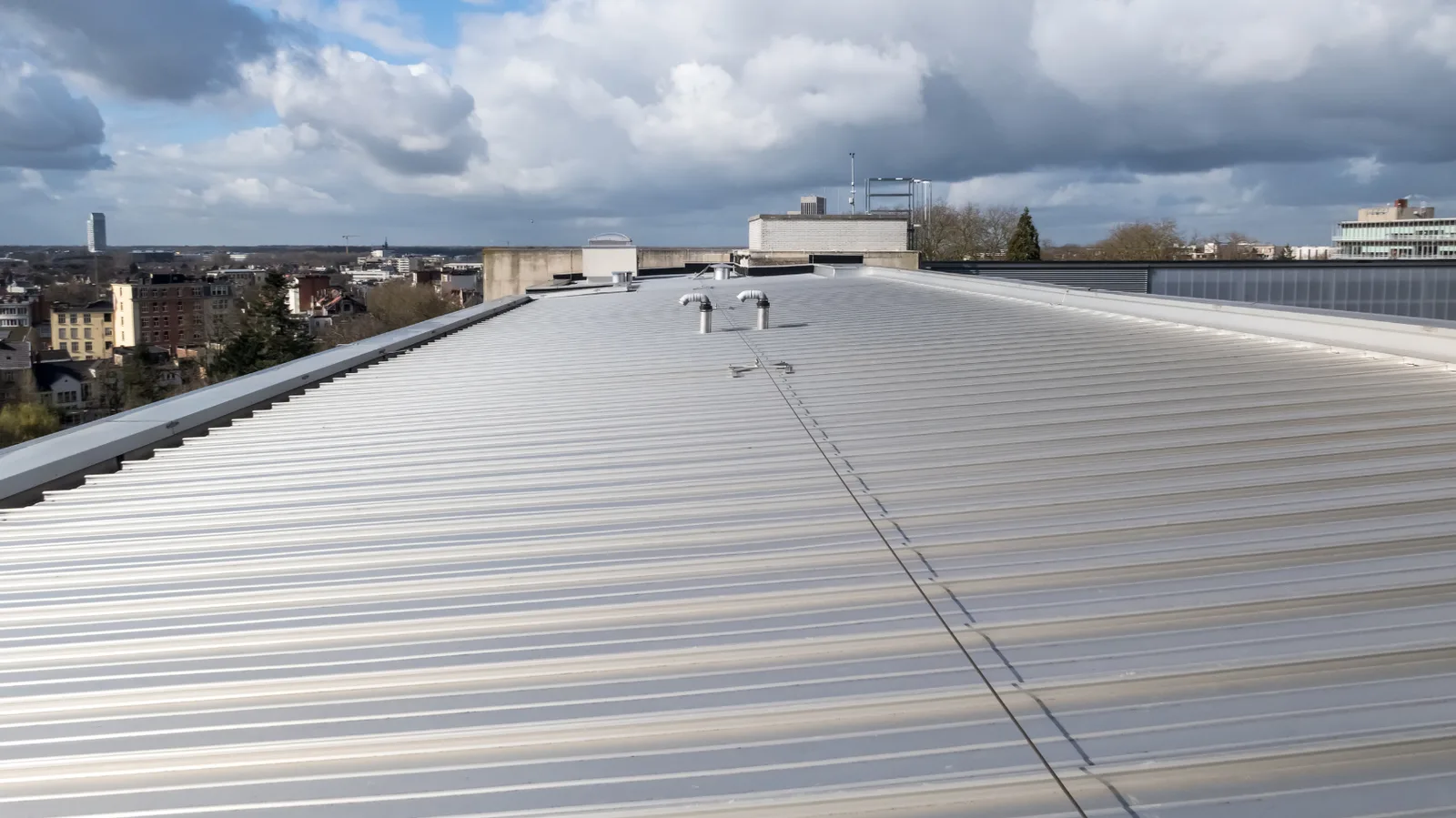
Flat-roof repair in Sapulpa, OK
A commercial roof leak can start at a seam, drain, curb or perimeter wall. Trace the source and rebuild the affected detail over sound layers.
Repair a Sapulpa flat roof by following the drainage
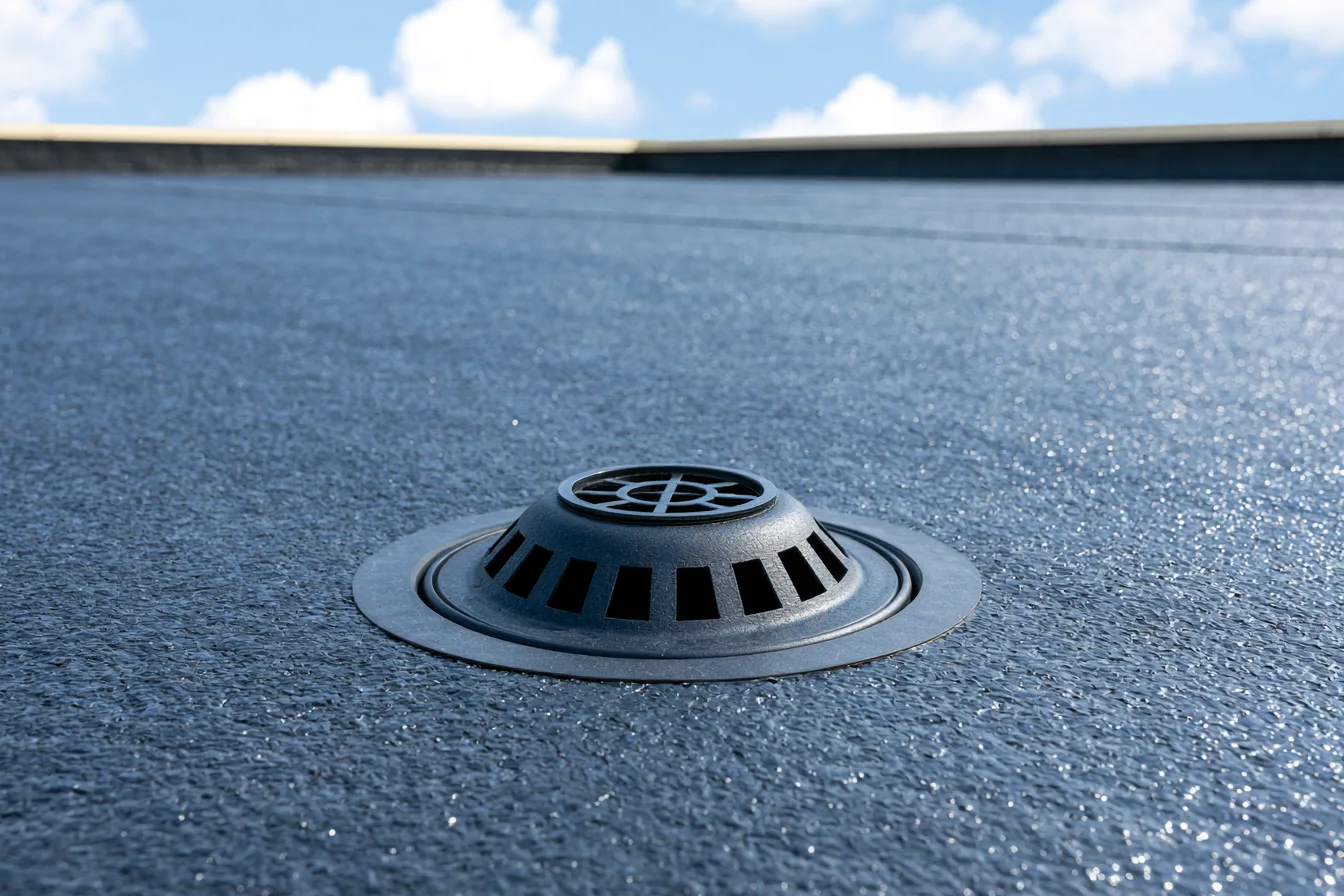
A “flat” roof still needs a designed path to drains, scuppers or an edge outlet. When water gathers behind debris or a poorly draining area, it can expose weak seams and penetrations for longer than intended. The repair needs to account for that path as well as the place water appears indoors.
Low-slope roofs use different coverings, including single-ply membranes, asphalt-based systems and metal. A patch needs to match the actual material and its repair method. Surface color or the general label “flat roof” is not enough to choose the product.
Sapulpa Roofing Co helps property owners connect leaks with the condition of the roof assembly. A local defect may be repairable; widespread wet insulation, poor attachment or deteriorated decking can make the work more extensive.
Repair seams, curbs and roof penetrations
The visible defect is the start of the investigation. The repair boundary follows the extent of sound material, not simply the outline of the interior stain.
Seams and field damage
Open laps and punctures need compatible repair material connected to a prepared, sound surface. A patch should extend onto usable roofing, with the underlying layers checked where water has entered.
Equipment curbs and penetrations
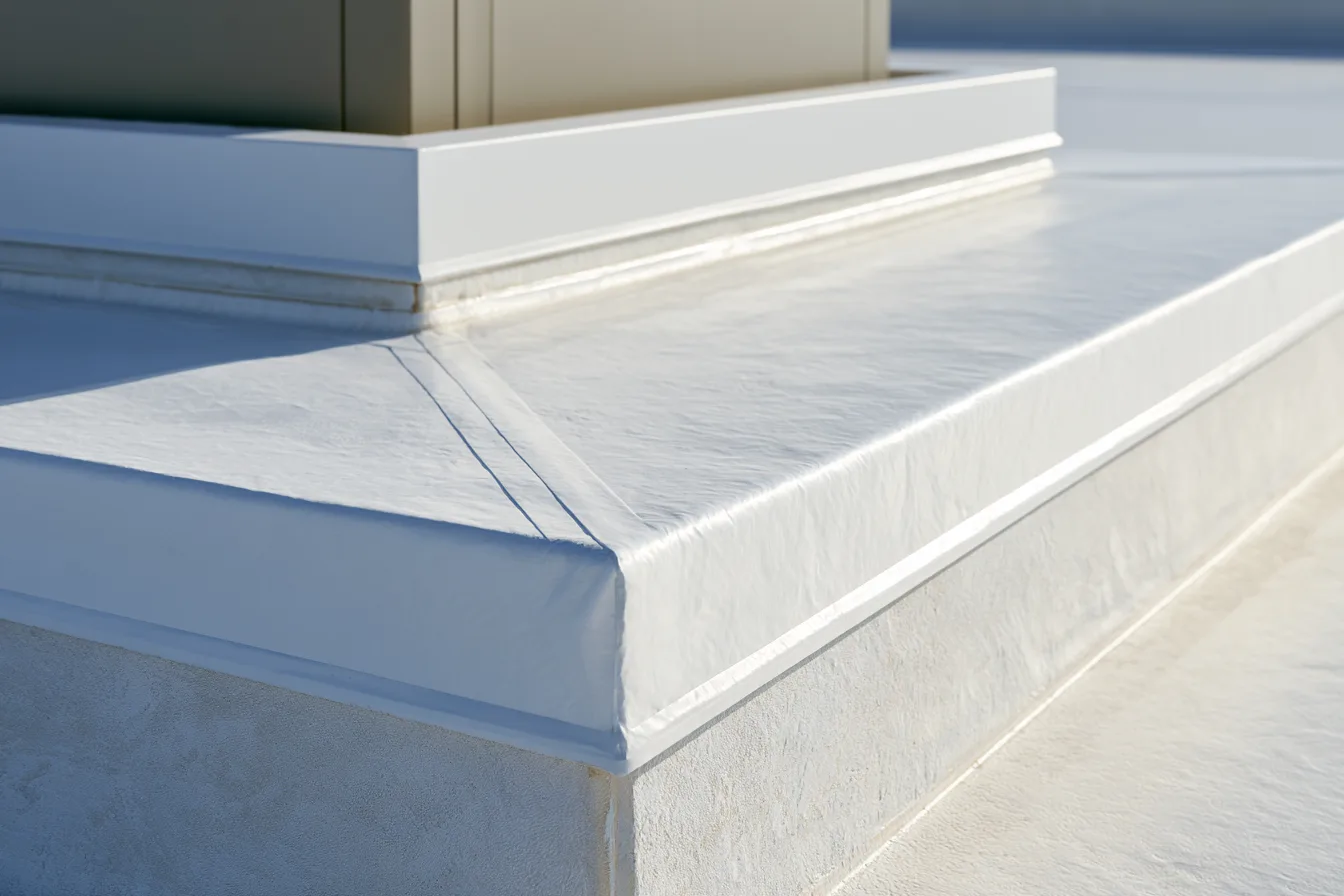
Flashing must turn up, wrap corners and terminate securely around equipment. Service work can disturb these details. Coordinate access with the equipment trade so a roof repair is not damaged by the next visit.
Perimeters and parapets
Coping, roof-to-wall flashing and terminations all affect the edge. Water entering through deteriorated masonry or a wall cap can appear below the roof line; wall repair may need to accompany the roofing work.
When drainage changes the repair
Water remaining after rain deserves an assessment against the installed system and the roof’s design. The cause and duration matter; no universal coating or patch resolves every ponding condition.
Plan flat-roof replacement when local repairs fall short
Replacement becomes a planning question when local repairs cannot leave a dependable assembly. The building’s use should shape that scope from the start.
- Determine what can remain
The amount and location of moisture, deck condition, existing layers and attachment affect whether any recover option is suitable. Covering wet or unstable layers leaves the new roof dependent on an unresolved problem.
- Improve the connected details
A replacement plan should address insulation, falls, outlets, perimeter metal and penetrations together. A new field membrane alone cannot correct an unsuitable drain or deteriorated wall connection.
- Stage around occupants and equipment
Identify access routes, material areas, entry protection and work near rooftop equipment. Tenants, deliveries and sensitive contents need a plan appropriate to the property. Weather and concealed conditions can change the sequence.
Flat Roof Repair FAQs
Should water remain on a flat roof after rain?
Low-slope roofs need positive drainage appropriate to their system. Persistent water can indicate blocked outlets, insufficient falls or another condition that needs investigation. Clearing a drain and rebuilding a poor drainage layout are different jobs.
Can one leak be repaired without replacing the membrane?
Often, yes. A failed seam, puncture or curb detail can be repaired when the adjoining roof and supporting layers are sound. Widespread moisture or deterioration may make an isolated patch inadequate.
Can equipment work damage a flat roof?
Yes. Tools, foot traffic and changes around equipment can puncture or disturb the roofing. Suitable access paths and coordination with the equipment trade help protect the repair, while any damaged membrane or flashing needs compatible roofing work.
Get the leak and drainage checked together
Tell us which part of the building is affected and any drainage or equipment changes you have noticed. Request a free commercial roof inspection.