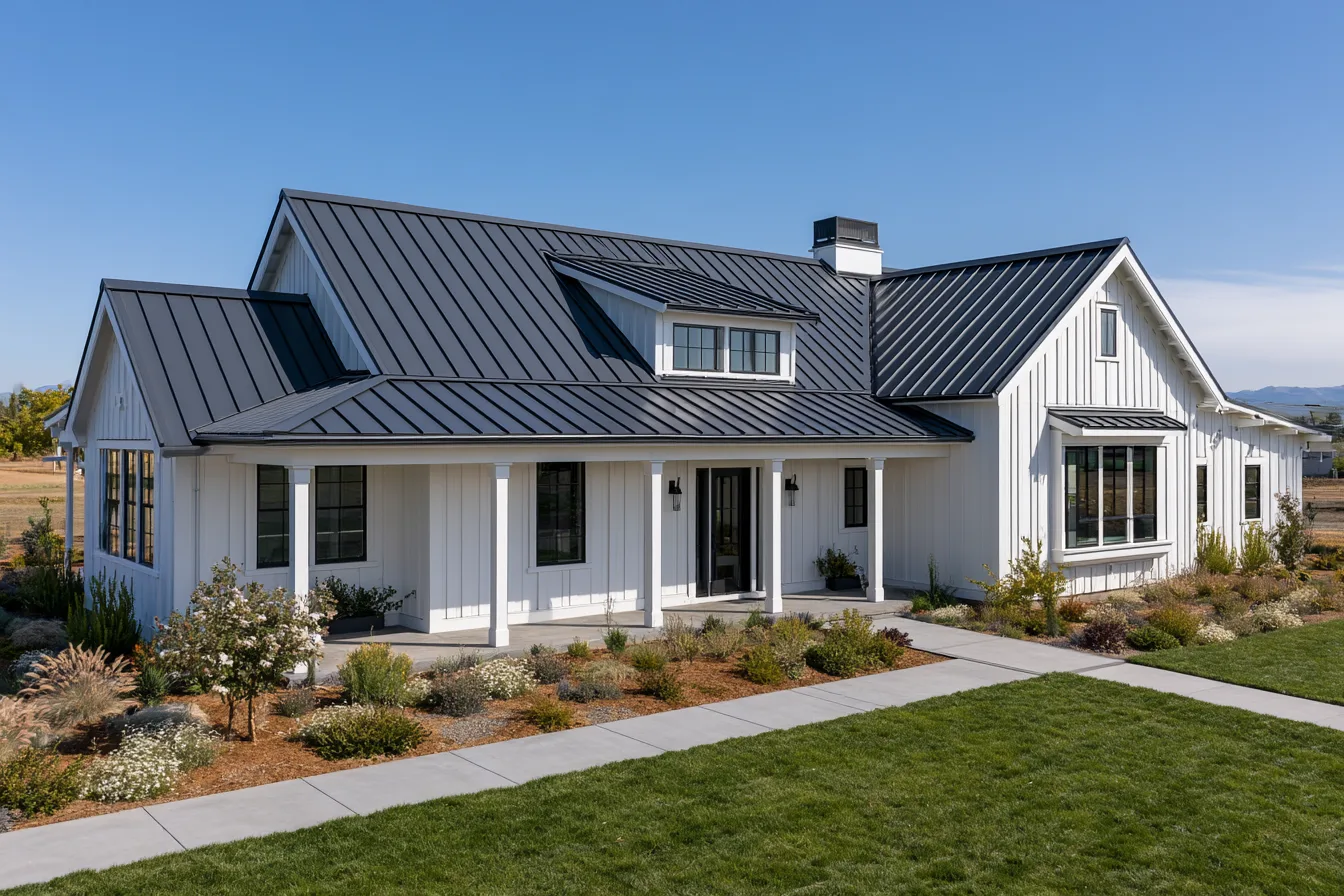
Metal roofing in Sapulpa, OK
Plan a metal roof around the panel system, fastening and transitions your building needs. Explore repair and reroof options with a free inspection.
Plan metal roofing around the panels and their connections
Metal roofing is a family of systems. A standing-seam roof uses raised panel joints with concealed attachment along the panels. An exposed-fastener roof attaches through the panel face at specified locations. Those choices change the look of the roof and the details that need attention over time.
The panel profile must fit the slope, supporting structure and exposure. Long roof runs, hips, valleys and penetrations influence the layout. Metal expands and contracts with temperature, so its attachment and flashing must allow the movement the chosen system requires.
For an existing metal roof, repair starts by identifying that system. A leak at a washer, seam or pipe connection may be repairable, but the surrounding metal and its support still need to be sound.
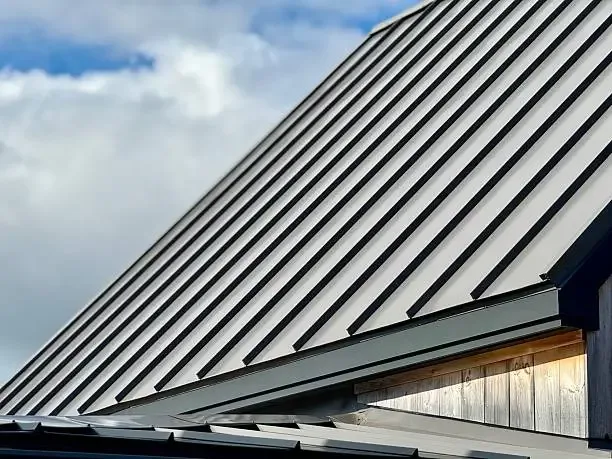
Standing-seam and exposed-fastener systems
MBCI’s fastening-system guidance explains why substrate, panel profile and attachment method change installation requirements. No single metal-roof slope rule fits every product.
Metal roof repair in Sapulpa
- Fasteners and washers
Loose, corroded or incorrectly compressed fasteners can admit water. Repair needs a fastening solution appropriate to the existing panel and support; tightening every screw harder can damage washers or fail to restore holding strength.
- Seams, laps and openings
Movement, unsuitable sealant and poorly fitted penetration flashings can open a water path. The repair needs compatible materials and the right allowance for movement, rather than a rigid patch across a moving joint.
- Corrosion and earlier patches
Surface corrosion and metal loss are different conditions. Corroded-through panels or incompatible mixed-metal repairs can require replacement of the affected component. Coating over unsupported or perforated metal does not rebuild it.
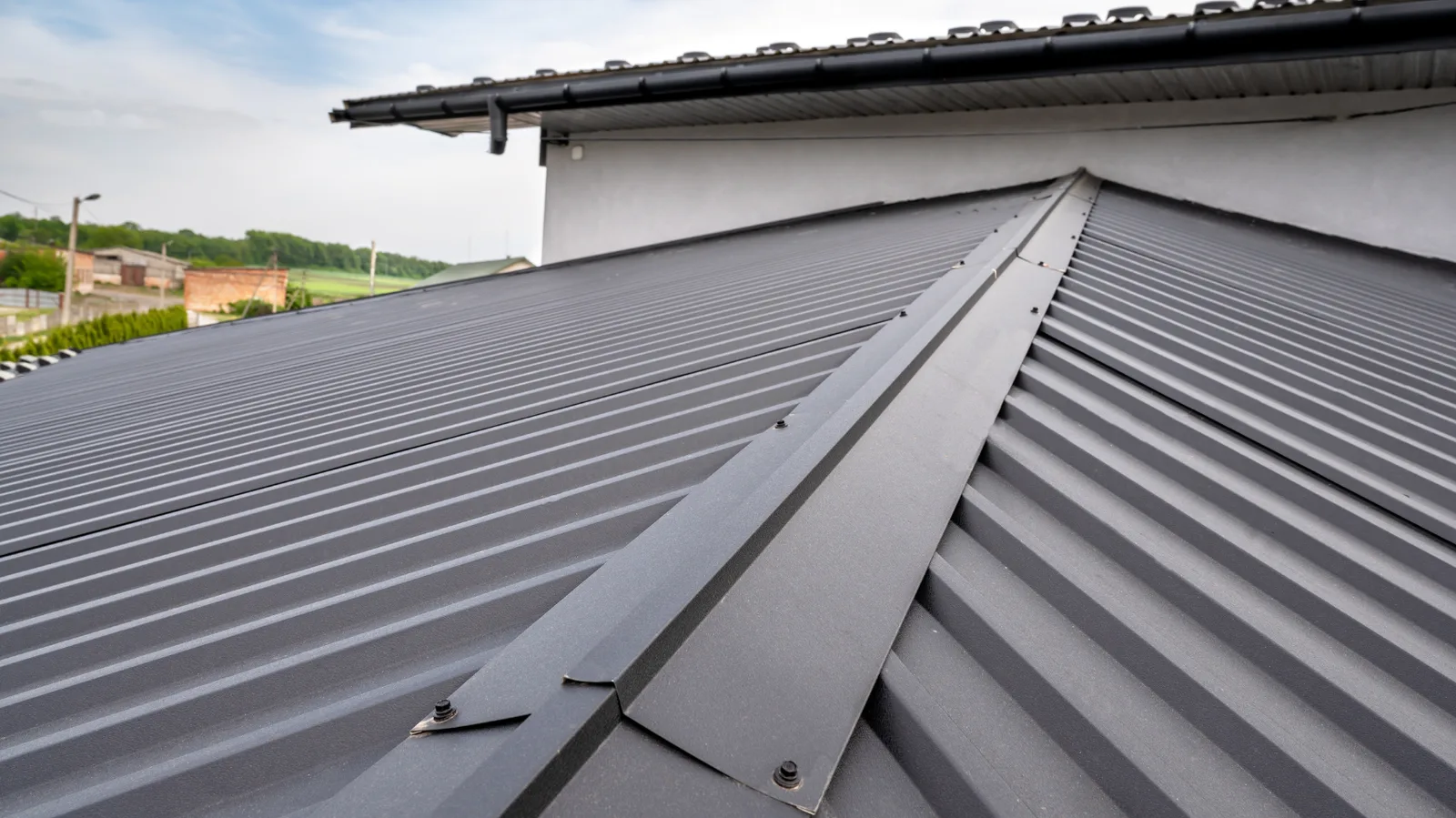
Changing a Sapulpa roof to metal
Changing from shingles to metal affects more than the visible covering. The proposal needs to describe the new assembly and how it meets the house.
Deck and supporting layers
Establish the condition of the existing deck, whether removal is needed, and the underlayment or separation layers specified for the panel system. Existing covering should not hide unresolved leaks or unsound wood.
Roof edges and transitions
Panel layout must reach the eaves, walls, chimneys and valleys with suitable trim and flashing. Roof runoff also needs a compatible gutter arrangement and discharge path.
Price follows the roof geometry
Complex shapes, access, height and the number of penetrations can change fabrication and installation work. A shingle replacement budget cannot simply be relabeled as a metal-roof estimate.
Metal Roofing FAQs
Can a metal roof leak at the fasteners?
Yes. Exposed fasteners and sealing washers are possible leak points, and even standing-seam systems can have exposed fastening at edges or trim. The repair should address fastener condition, the panel opening and the supporting material together.
Can metal go over an existing roof?
Some assemblies can be designed over existing covering, but suitability depends on the panel system, supporting structure, existing layers and applicable requirements. Hidden damage, moisture and the new transition details still need to be resolved. Do not assume an overlay is suitable from the material name alone.
Does metal roofing need maintenance?
Yes. Seams, penetrations, trim, drainage and exposed fastening need attention even when the main panels remain sound. Manufacturer guidance and the roof’s actual condition determine appropriate care; metal roofing is not a reason to ignore a leak or developing corrosion.
Talk through a metal roof repair or replacement
Tell us whether you have a metal-roof leak or are considering a change from shingles. The panel system and existing roof condition will shape the options.