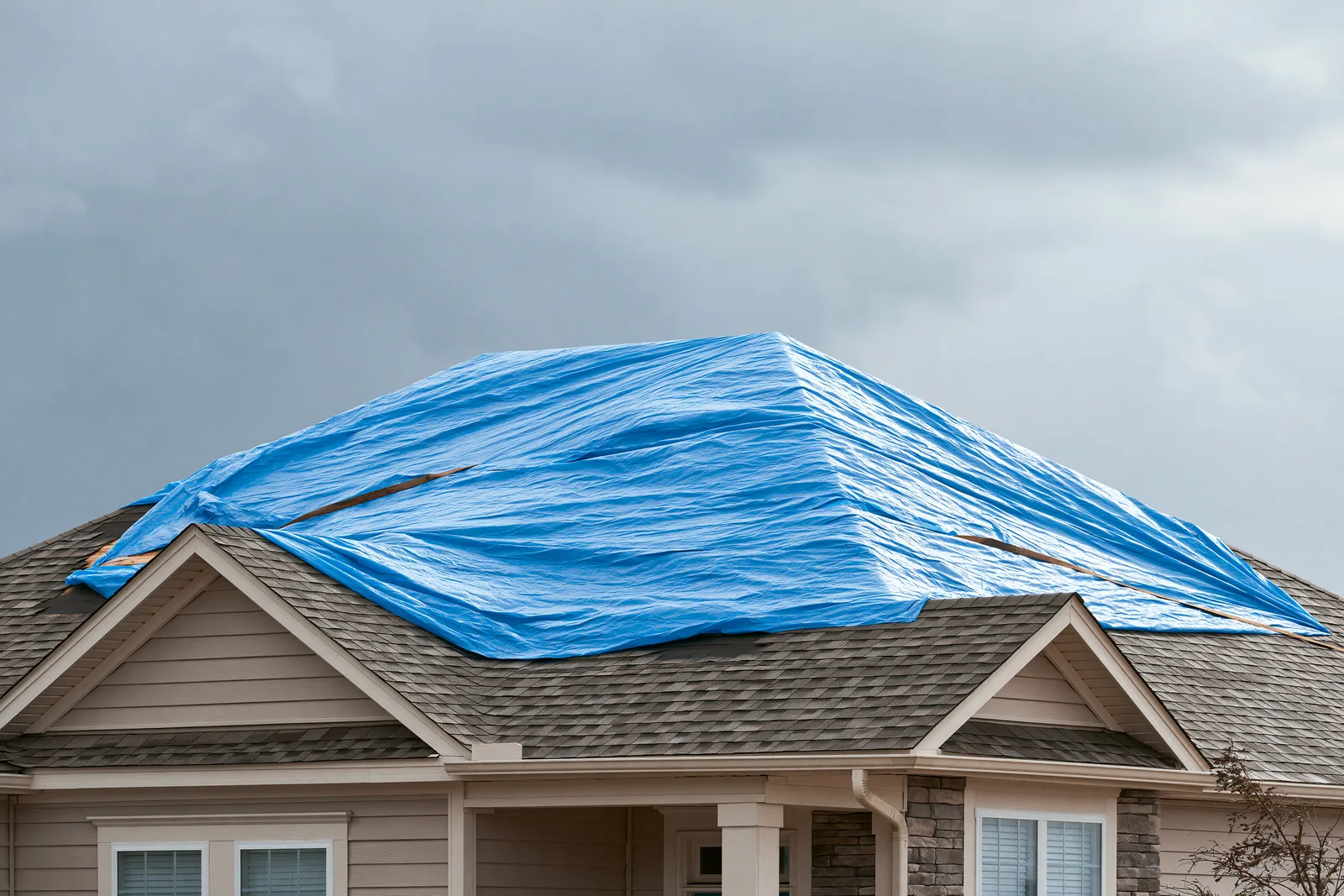
Emergency roof help in Sapulpa, OK
If water is entering now, call and describe the problem. Roof access, weather and the damaged area determine what temporary protection can be arranged.
Tell us if water is coming in now
An active leak changes the immediate task. Before selecting shingles or discussing a full replacement, the opening may need temporary protection and people need a safe place away from the affected area.
When you call Sapulpa Roofing Co, say that water is coming in now. Give the address, the room or building area affected, and whether you can see missing material or a fallen branch from a safe location. These observations help frame the roofing problem without asking you to go onto the roof.
Temporary covering is arranged around the conditions at the property. High winds, rain, roof height, damaged decking and debris can prevent safe access.
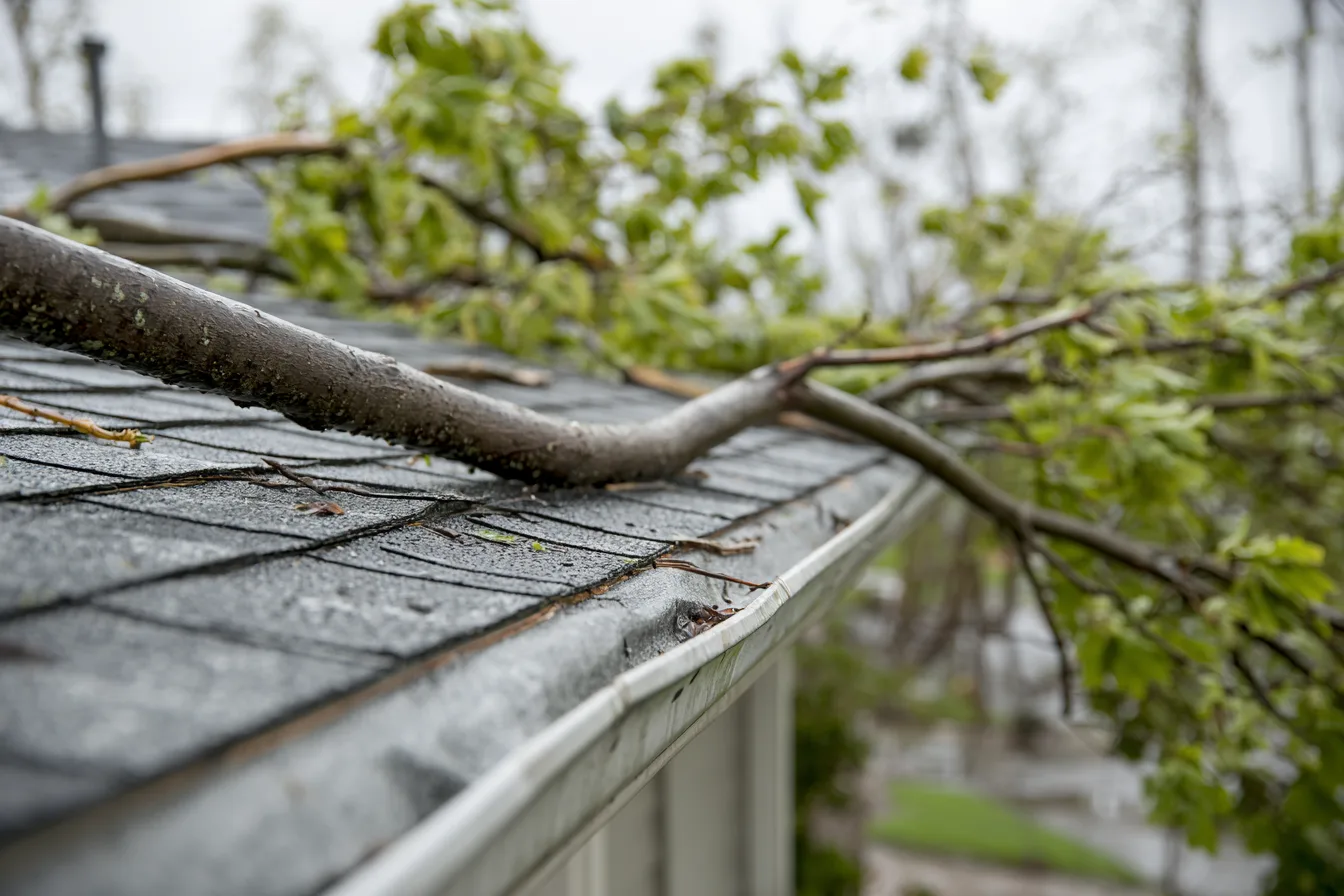
Keep clear of the immediate hazards
- Keep people away from weakened ceilings
A bulging or sagging ceiling can release water and material. Leave the space beneath it clear and do not puncture it. Move belongings only when you can do so without entering the affected area.
- Treat electrical contact as a separate emergency
Stay away from water near fixtures, outlets or equipment. Do not touch a wet electrical control. Downed lines and branches in contact with them require the utility or emergency services, not a roofing inspection.
- Stay off the roof
Wet covering, unstable debris and concealed deck damage make access unpredictable. Do not climb up to place a tarp or remove a limb. If the building appears unsafe, leave it and seek emergency assistance from a safe place.
Temporary roof protection and lasting repair
Temporary protection limits exposure while the damaged roof is assessed. Permanent repair restores the roof assembly. They have different purposes and may happen at different times.
Plan the repair after the roof is protected
Once exposure is controlled, the next decision is how far the permanent work reaches. Temporary protection should have a clear follow-up purpose.
- Identify the damaged layers
An opening may involve the covering, underlayment and deck. Water can also reach insulation or interior finishes. Those conditions need separate scope decisions as they become accessible.
- Arrange materials and access
The repair depends on compatible materials, safe weather and workable access to the affected slope. A tight side yard, equipment on the roof or an occupied commercial space can affect staging.
- Carry useful information into the next step
Retain existing roof records and receipts for protective work. If insurance may apply, notify the insurer promptly. The repair can then be discussed against the actual condition and the policy decision without treating either as a substitute for the other.
Emergency Roof Help FAQs
Should I climb onto the roof to cover it?
No. Leave roof access and covering to professionals who can assess the surface and use suitable access and protection. A roof that looks solid from below may have damaged supporting wood.
Is a tarp the final roof repair?
No. A tarp is temporary protection. The permanent repair must address the opening, underlying damage and connections to the remaining roof. Wind and weather can also affect the temporary cover, so it cannot be treated as a replacement system.
What should I say when I call?
Start with the address and whether water is entering now. Explain which rooms or work areas are affected, any visible missing roofing or debris, and access constraints you already know. You do not need measurements or roof-level photographs.
Tell us if water is entering now
Tell us whether water is still entering, which part of the building is affected and the property address. Call to discuss the next roofing step.