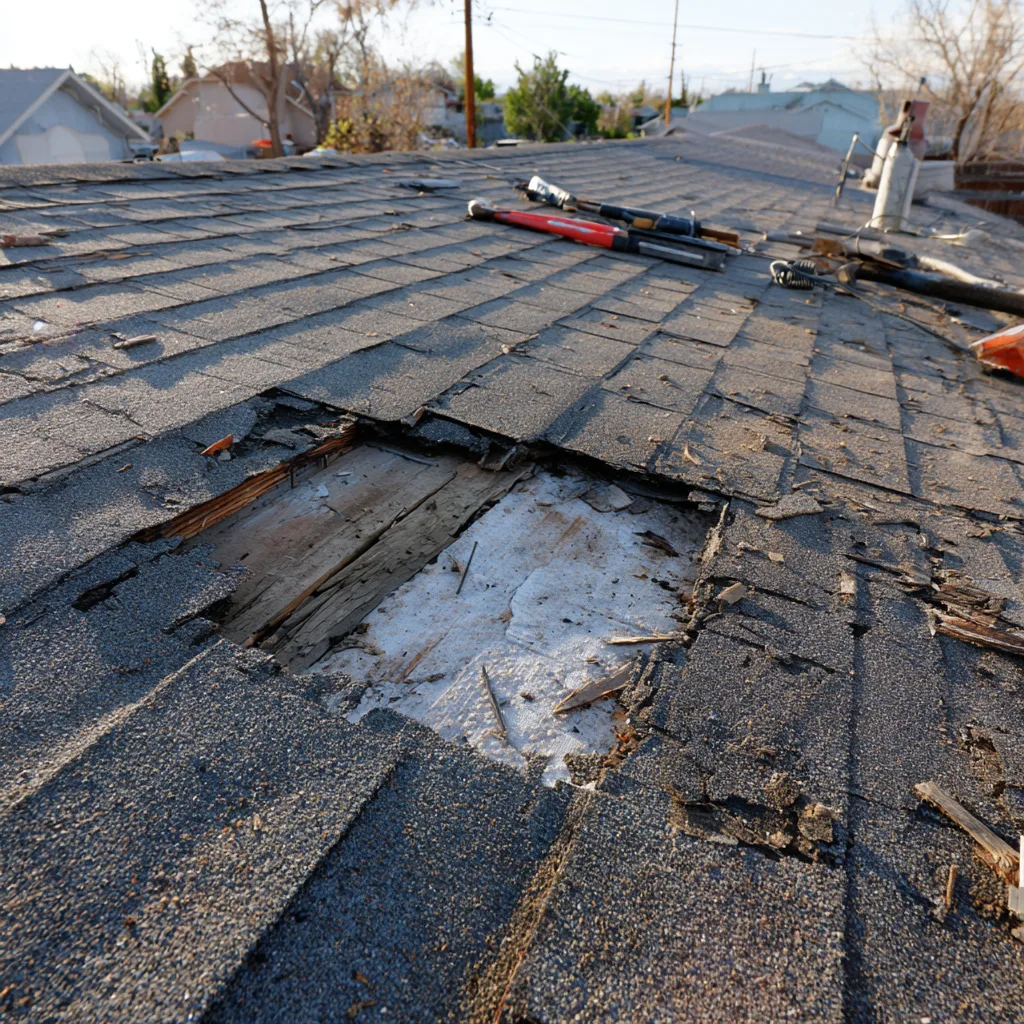
Roof repair in Sapulpa, OK
Missing shingles, a recurring leak or a failed roof connection deserves a repair that reaches the cause. Start with a free inspection of the affected area and the roof around it.
Roof repair in Sapulpa starts with the failed detail
A patch that leaks again is frustrating. The visible opening may have been covered while the failed connection underneath stayed in place. Around a wall, pipe or valley, the repair needs to restore the path that carries water onto the roofing below.
Roof repair starts by checking the damaged area and its neighbors. A missing shingle exposes the underlayment and fastening points. A worn pipe collar can let water follow the pipe. Water that appears at a ceiling may have traveled along framing before it became visible indoors.
The useful repair boundary follows those conditions. It can be a few shingles and a sound connection, or it can include opening a larger area to replace damaged wood. The aim is to preserve roofing that still works while making the repaired section shed water as part of the whole roof.
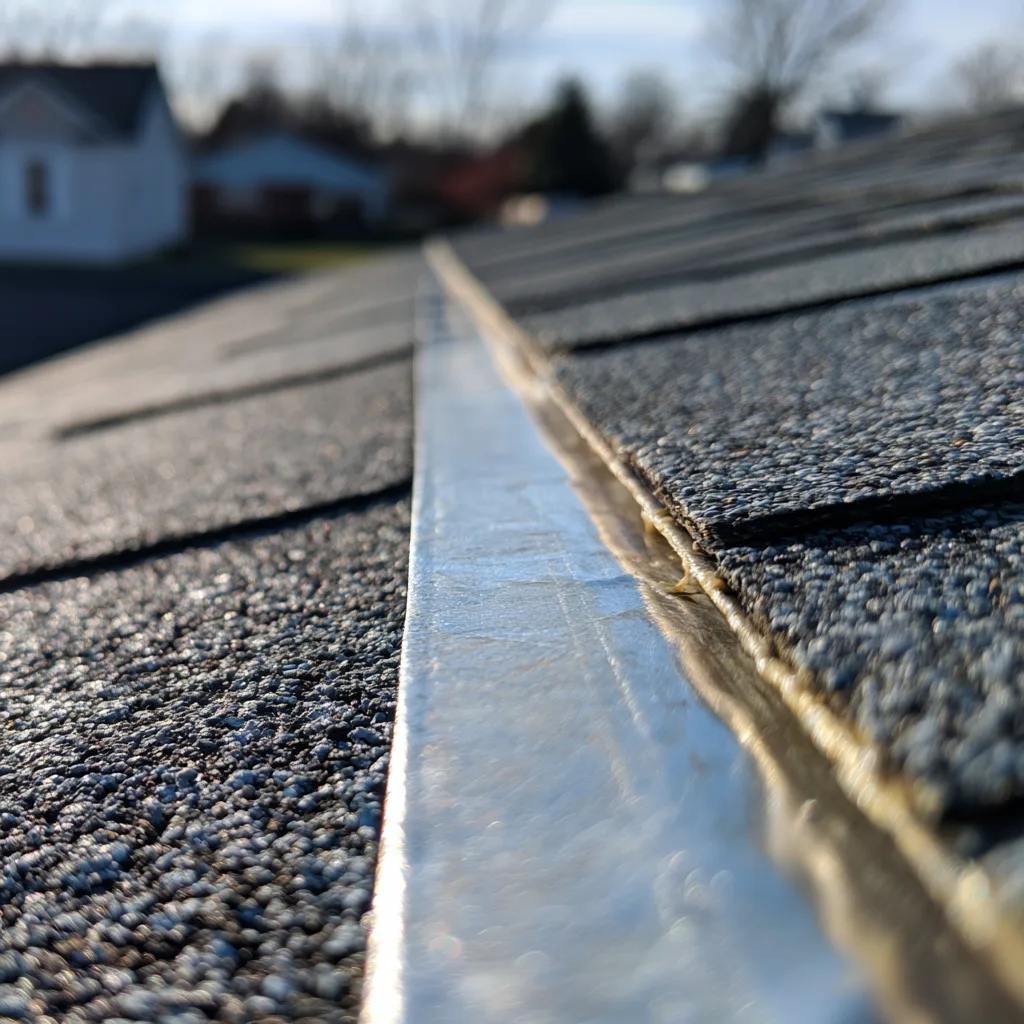
The roof parts a Sapulpa repair can involve
The outer covering is only one layer of a repair. These are the details that commonly shape the work.
- Shingles and their attachment
A damaged shingle is removed far enough to reach its fasteners without tearing the surrounding courses. The replacement needs to fit the existing pattern and seal as its manufacturer directs. Brittle neighboring shingles can make that small opening much harder to close reliably.
- Pipe collars and roof penetrations
A plumbing vent passes through both the roof covering and its water-shedding layers. Repair may replace a split collar or flashing assembly, with the upper edge properly integrated beneath roofing. A bead of sealant around the pipe does not renew a deteriorated assembly.
- Wall, chimney and valley connections
Water gathers where slopes meet and where roofing turns up against a wall. Step flashing, counterflashing and valley details must overlap in the direction water flows. Reaching the failed connection may require removing adjoining shingles or carefully opening part of the wall finish.
- Underlayment and decking
Underlayment supports the water-shedding system below the visible covering. The deck provides the fastening base. Wet, soft or deteriorated decking needs assessment and replacement where unsound; new shingles cannot make weakened wood hold fasteners correctly.
- Roof edges
The eave and rake finish the roof at its edges. Missing or poorly connected edge metal can leave water a route behind the gutter or into the roof edge. The repair needs the correct relationship between edge metal, underlayment and shingles, not an isolated strip covering the symptom.
When a local roof repair is the right scale of work
A roof’s age is useful background, but it does not make this decision by itself. Material condition and the extent of failure show whether a limited repair can hold together.
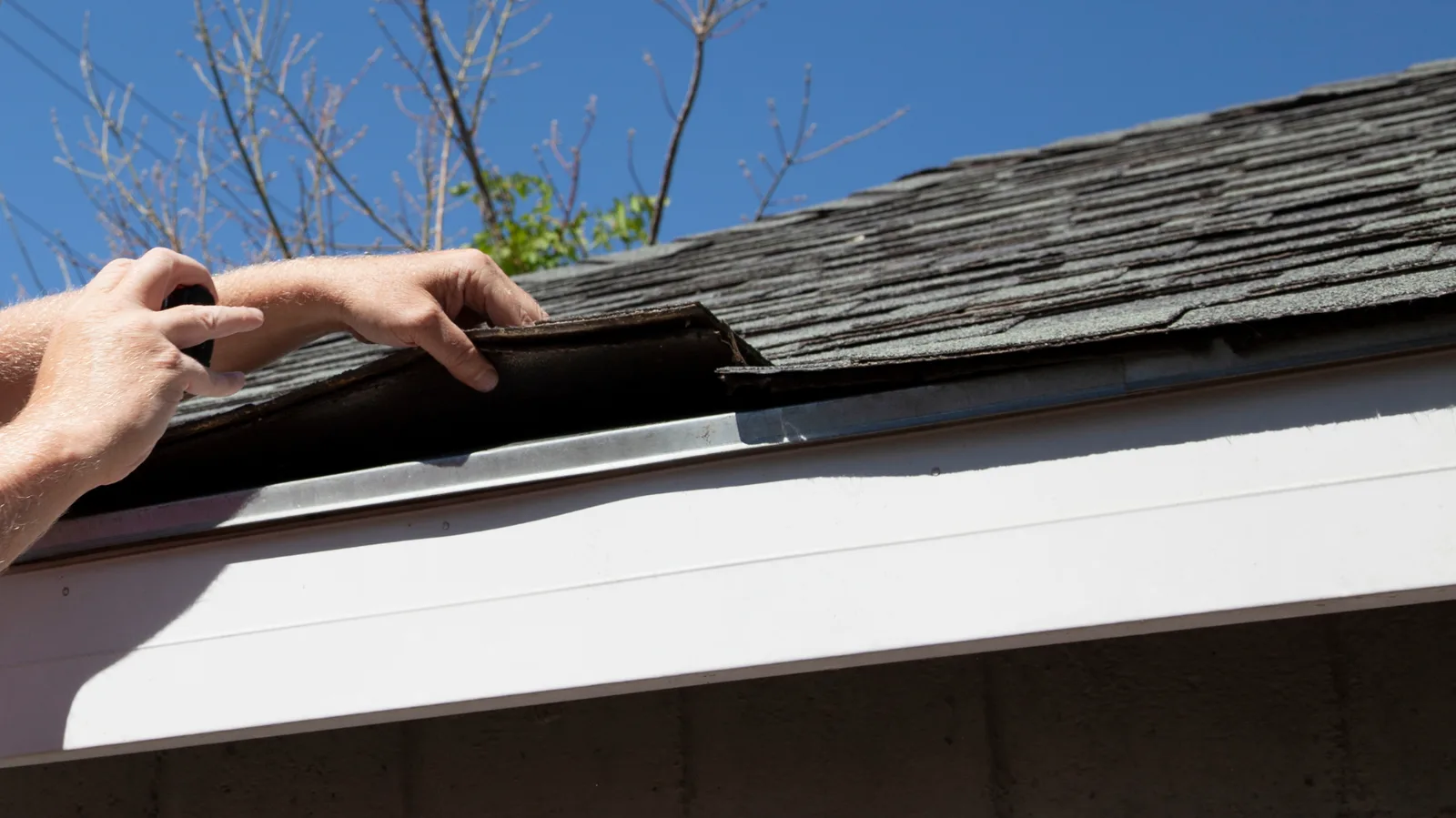
How a Sapulpa roof repair is carried out
A completed repair is a connected set of roof layers. The visible patch is the last part you see.
Find the route water can take
The roofer checks the reported area, nearby openings and roofing uphill from it. Interior observations can help connect the symptom to a roof detail, but safe access and concealed construction may limit the first inspection.
Open and rebuild the affected area
Roofing is lifted or removed to reach the failed material. Unsound wood is addressed before the supporting layers and flashing are restored. Compatible new material is worked into the roof so water continues onto the course below.
Finish the connection
Fastening, laps and sealing follow the roofing system’s requirements. The adjoining area is checked for damage from the original failure or from access. Temporary tarping or covering is a separate step and does not replace this finished repair.
What changes the cost of roof repair in Sapulpa
A small leak can take careful work to expose and rebuild. Repair pricing follows the affected component, access and the layers that need to come out, rather than the size of the stain inside.
A roof walk narrows the visible scope. Concealed decking damage can change that scope once the roof is opened, so it belongs in the discussion before work begins.
- Getting to the failed detail
Height, slope, roof equipment and the space available for safe access affect the work. A wall connection may take more opening and reinstatement than an exposed shingle.
- Restoring compatible materials
Shingle availability, the existing flashing arrangement and the condition of neighboring roofing determine how a repair ties in. Matching appearance is a separate consideration from restoring weather protection.
- Damage below the covering
Decking, underlayment and adjoining details can expand the work beyond a surface patch. The replacement calculator describes whole-roof planning and should not be used as a repair quote.
If water is entering the house now
- Protect the opening, then repair its cause
Call and state that water is entering now. Where safe access permits, temporary protection can limit exposure while the permanent repair is scoped. The finished repair still needs to address damaged shingles, failed flashing and any unsound wood around the opening.
- Keep the damaged space clear
Do not use the area beneath a sagging ceiling or around water touching electrical fixtures. Contain a drip only from a safe position inside; leave roof access to roofers. These precautions protect people while the roofing work is arranged.
- Separate the roof from interior recovery
Restoring the roof’s water-shedding layers does not dry insulation or rebuild damaged ceilings. Interior drying, finishes and electrical concerns need their own scope, so a roof repair should not be described as completing all water-damage recovery.
Roof Repair FAQs
Can a few missing shingles be replaced?
Yes, when replacement shingles are compatible and the neighboring material can be lifted and reconnected without breaking. The inspection also checks the exposed underlayment and fasteners so the repair covers more than the bare space.
Why does a roof leak come back after caulking?
Caulking may close an exposed gap while leaving a failed lap, cracked collar or damaged flashing underneath. Water can then enter beside the patch or behind it. A lasting repair needs to reach that connection and restore how the layers overlap.
Is an active leak proof that the whole roof is worn out?
No. A single failed detail can leak on an otherwise serviceable roof. The decision turns on the condition around the leak and across the remaining roof, including whether repairs can be tied into sound material.
Can the roof be inspected while it is raining?
Rain can help identify where water appears inside, but climbing a wet roof can be unsafe. Inspection and temporary protection depend on the weather, roof slope and access. Call to describe the leak; there is no need to climb up to investigate it yourself.
Get help with the repair your roof needs
Tell us where you noticed the problem and whether water is entering now. Request a free roof inspection to understand the repair your Sapulpa roof needs.